格式化输入输出 printf()
%f :float
printf() 原宽大比2大,则原数据原样输出
换行符:\n
printf()和scanf()包含在cstdio文件中,所以必须在程序中先包含该文件
scanf() —— 按规定格式输入内容 —— scanf(“格式字符串”,数据1,数据2)
setw()函数 setw(n) —->设置输出内容所占的总宽度n
1 cout<<setw (5 )<<18 <<endl;
18 | 1 8| 输出内容宽度大于(设置的宽度)时,则原样输出
cout<<setw(5)<<18<<endl;
输出时间 1 2 3 4 5 6 7 8 9 10 11 12 13 14 15 16 17 18 19 20 21 22 23 24 25 26 27 28 #include <iostream> #include <iomanip> using namespace std;int main () int h,m,s,s1; cin>>s1; h=s1/3600 ; s1-=h*3600 ; m=s1/60 ; s1-=m*60 ; s=s1; cout<<setw (2 )<<setfill ('0' )<<h<<":" <<setw (2 )<<setfill ('0' )<<m<<":" <<setw (2 )<<setfill ('0' )<<s; return 0 ; } #include <iostream> #include <iomanip> using namespace std;int main () int t; cin>>t; int h=t/60 /60 ; int m=t/60 %60 ; int s=t%60 ; cout<<setw (2 )<<setfill ('0' )<<h<<":" ; cont<<setw (2 )<<setfill ('0' )<<m<<":" ; cout<<setw (2 )<<setfill ('0' )<<s; return 0 ; }
简化形式 条件?条件成立执行语句1:条件不成立执行语句2
cout格式化输出float格式
控制符
作用
fixed
保留小数点后n位数
setprecision(n)
保留小数点后n位数
fix—>安装、固定
precision—>精确度
1 2 3 float a=31.21 ;cout<<fixed<<setprecision (1 )<<a<<endl;
setprecision设置原则:四舍五入
scanf、printf输出float float占位符
占位符
说明
%d
int
%c
char
%f
float
%g
去除浮点数float小数尾0
%lf
双精度float
%lg
去除双精度float double小数尾0
%f 占位符默认输出 6位小数 ,不够6位,则在小数后面 补0
printf()实现float格式化输出
%.nf 保留小数点后n位
双精度浮点型 有效数字和精度 有效数字: 从一个数的左边 第一个非0数字末位数字 止,所有的数字 都是这个数的有效数字。
精度 就是指 有效数字的个数
float的精度 float类型 的精度 是7位有效数字
double数据类型 float 单精度浮点型(16位有效数字,精度高)
%lf 双精度占位符
字面常量(字面值) 将程序中的数字、字符、文本称为字面常量 ,也称为字面值 。
例如:0,1,18,3.14,4,8,’a’,”hello”等
double类型的3.14 转换成为float类型:3.14f
整数进行运算的结果还是整数
自动数据类型转换规则 转换规则:低精度->高精度
数据储存到与其数据类型不一致的变量中,也会发生自动数据类型转换
总结规律 strcmp(s1,s1)
作用:对字符串s1,字符串s2的内容进行比较
结果>0|1,s1>s2
<0|-1,s1<s2
==0,s1==s2
string字符串 string是一种数据类型:字符串
string类型的变量可以储存字符串
空格输入 string变量输入带空格的字符串
语法格式:getline(cin,s)
length函数 string s=”1”
作用:用于计算字符串s的长度
语法格式:s.length()
函数 定义函数的语法格式 1 2 3 4 5 数据类型 函数名() { 函数体 } void 数据类型
常用四个系统函数
函数
说明
max(x,y)
找出两个最大值
min(x,y)
找出两个最小值
swap(x,y)
交换
sort()
排序
结构体 定义结构体的语法格式 struct 结构体名
{
数据类型1 变量名1;
}
1 2 3 4 5 6 7 8 9 10 11 12 13 14 15 16 17 18 19 20 21 22 23 24 25 26 27 28 29 30 31 32 33 34 35 36 #include <bits/stdc++.h> using namespace std;struct stu { int id; string name; double sc; }; int main () stu a={1 ,"yaya" ,98 }; cout<<a.id<<endl<<a.name<<endl<<a.sc; return 0 ; } #include <bits/stdc++.h> using namespace std;struct stu { int id; string name; double sc; }; int main () stu a[4 ]; for (int i=1 ;i<=3 ;i++) { cin>>a[i].id>>a[i].name>>a[i].sc; } for (int i=1 ;i<=3 ;i++) { cout<<a[i].id<<endl<<a[i].name<<endl<<a[i].sc<<endl; } return 0 ; }
数组进阶 列对称 垂直对称的两个元素, **列下标相加 的结果等于 n-1 。 a[i][j] 与 a[i][n-1-j] **垂直对称。
行对称 水平对称的两个元素, **行下标相加 的结果等于 n-1 。 a[i][j] 与 a[n-1-i][j] **水平对称
主对角线 主对角线 上的元素下标:**i==j **
**a[i][j]和 a[j][i]**关于主对角线对称。
副对角线 副对角线 上的元素下标:**i+j==n-1 **
**a[i][j]和 a[n-1-j][n-1-i]**关于副对角线对称。
递推算法
从已知的**初始条件 出发,依据 递推关系 ,推出所求的结果,这种方法称为 递推算法 **
难题解决 1 2 3 4 5 6 7 8 9 10 11 12 13 14 15 16 17 18 19 20 21 22 #include <bits/stdc++.h> using namespace std;int a[51 ]={},b[51 ];int main () int x,y,z; cin>>x>>y>>z; for (int i=1 ;i<=x;i++) { a[i]=1 ; } for (int i=x+1 ;i<=z+1 ;i++) { a[i]=a[i-1 ]+b[i-2 ]; b[i]=a[i-x]*y; } printf ("%d" ,a[z+1 ]); return 0 ; }
前缀和
前n项的和叫做 前缀和
求前缀和数组 s[1]=a[1] (i=1)
s[i]=s[i-1]+a[i]
前缀和计算区间和 计算区间和L~R: s[R]-s[L-1]
差分 3 5 9 19 20 23 30
差分:**每一项 与 前一项 的 差 **。
第一项差分:3-0=**3 **
第1个数字的前1项默认为0
性质:对**差分数组 求 前缀和 ,得到 原数组 **。
栈
在计算机中有一种容器:
容器只有一个口进行数据的存取。
** 2.先存入的数据后取,后存入的数据先取。**
叫做: 栈
1 2 3 4 5 6 7 8 9 10 11 12 13 14 15 16 17 18 19 20 21 22 23 #include <bits/stdc++.h> using namespace std;int a[6 ]={},top;void push (int x) if (top<5 ) { a[++top]=x; } } void pop () if (top>0 ) a[top--]=0 ;return ;}int getTop () return a[top];}void clear () 0 ;return ;}int main () return 0 ; }
指针 指针结构体 1 2 3 4 5 6 7 8 9 10 struct stu { int id; string name; double score; }; stu a={1 ,"yaya" ,98.5 }; 指针访问数据方式: 指针名->成员名 cout<<p->id<<endl = cout<<a.id<<endl;
指针实行变量交换 1 2 3 4 5 6 7 8 9 10 11 12 13 14 15 16 #include <bits/stdc++.h> using namespace std;void fun (int *a,int *b) int x=0 ; x=*a;*a=*b,*b=x; } int main () int a=5 ,b=6 ; int *pa=&a,*pb=&b; fun (pa,pb); cout<<a<<" " <<b<<endl; return 0 ; }
搜索 深度优先搜索 这种**能深则深,不能深则退 的方法,称之为 深度优先搜索 **
1 2 3 4 5 6 7 8 9 10 11 12 13 14 15 16 17 18 19 20 21 22 23 24 25 26 27 28 29 30 31 32 33 34 35 36 37 38 39 40 41 42 43 44 45 46 47 48 49 50 51 52 53 54 55 56 57 58 59 60 61 62 63 64 65 66 67 68 69 70 71 72 73 74 75 76 77 78 79 80 #include <iostream> using namespace std;char mp[25 ][25 ];int vis[25 ][25 ],n,m,ans=0 ;int dx[4 ]={1 ,0 ,-1 ,0 },dy[4 ]={0 ,1 ,0 ,-1 };void dfs (int x,int y) for (int i=0 ;i<4 ;i++) { int fx=x+dx[i]; int fy=y+dy[i]; if (fx>=0 &&fx<n&&fy>=0 &&fy<m&&vis[fx][fy]==0 &&mp[fx][fy]=='#' ) { vis[fx][fy]=1 ; dfs (fx,fy); } } } int main () cin>>n>>m; for (int i=0 ;i<n;i++) { for (int j=0 ;j<m;j++) { cin>>mp[i][j]; } } for (int i=0 ;i<n;i++) { for (int j=0 ;j<m;j++) { if (mp[i][j]=='w' &&vis[i][j]==0 ) { ans++; vis[i][j]=1 ; dfs (i,j); } } } cout<<ans; } #include <vector> #include <iostream> using namespace std;void dfs (int node, const vector<vector<int >>& adj, vector<bool >& visited) visited[node] = true ; cout << node << " " ; for (int neighbor : adj[node]) { if (!visited[neighbor]) { dfs (neighbor, adj, visited); } } } void startDFS (int startNode, const vector<vector<int >>& adj) int numNodes = adj.size (); vector<bool > visited (numNodes, false ) ; dfs (startNode, adj, visited); } int main () vector<vector<int >> adj = { {1 }, {0 , 2 , 3 }, {1 , 4 }, {1 , 4 }, {2 , 3 } }; int startNode = 0 ; cout << "DFS遍历顺序: " ; startDFS (startNode, adj); cout << endl; return 0 ; }
dfc连通块 1 2 3 4 5 6 7 8 9 10 11 12 13 14 15 16 17 18 19 20 21 22 23 24 25 26 27 28 29 30 31 32 33 34 35 36 37 38 39 40 #include <iostream> using namespace std;const int MAXN = 55 ;int n, m, sx, sy;int mp[MAXN][MAXN], d[4 ][2 ] = {{-1 , 0 }, {1 , 0 }, {0 , -1 }, {0 , 1 }};bool vis[MAXN][MAXN];bool isValid (int x, int y) return x >= 1 && x <= n && y >= 1 && y <= m; } int dfs (int x, int y) if (!isValid (x, y) || vis[x][y] || mp[x][y] == 0 ) { return 0 ; } vis[x][y] = true ; int area = 1 ; for (int i = 0 ; i < 4 ; ++i) { int nx = x + d[i][0 ]; int ny = y + d[i][1 ]; area += dfs (nx, ny); } return area; } int main () cin >> n >> m >> sx >> sy; for (int i = 1 ; i <= n; i++) { for (int j = 1 ; j <= m; j++) { cin >> mp[i][j]; } } cout << dfs (sx, sy) << endl; return 0 ; }
广度优先搜索 1 2 3 4 5 6 7 8 9 10 11 12 13 14 15 16 17 18 19 20 21 22 23 24 25 node a={1 ,1 }; q.push (a); vis[1 ][1 ]=1 ; while (q.empty ()!=1 ){ node f=q.front (); if (mp[f.x][f.y]==2 ) { cout<<"yes" ; } for (int i=0 ;i<4 ;i++) { int nx=f.x+dx[i]; int ny=f.y+dy[i]; if (nx>=1 && nx<=4 && ny>=1 && ny<=4 && mp[nx][ny]!=1 && vis[nx][ny]==0 ) { vis[nx][ny]=1 ; node r={nx,ny}; q.push (r); } } q.pop (); }
例题:
走出迷宫 【题目描述】 当你站在一个迷宫里的时候,往往会被错综复杂的道路弄得失去方向感,如果你能得到迷宫地图,事情就会变得非常简单。
假设你已经得到了一个n*m的迷宫的图纸,请你找出从起点到出口的最短路。
【输入】 第一行是两个整数n和m(1≤n,m≤100),表示迷宫的行数和列数。
接下来n行,每行一个长为m的字符串,表示整个迷宫的布局。字符‘.’表示空地,‘#’表示墙,‘S’表示起点,‘T’表示出口。
【输出】 输出从起点到出口最少需要走的步数。
【输入样例】 【输出样例】 【来源】 一本通在线评测
1 2 3 4 5 6 7 8 9 10 11 12 13 14 15 16 17 18 19 20 21 22 23 24 25 26 27 28 29 30 31 32 33 34 35 36 37 38 39 40 41 42 43 44 45 46 47 48 49 50 51 52 53 #include <bits/stdc++.h> const int Z=200 ;using namespace std;struct X { int a,b,c; }; int n,m,u,v,w,x,d[4 ][2 ]={{0 ,1 },{1 ,0 },{0 ,-1 },{-1 ,0 }};char g[Z][Z];bool vis[Z][Z];queue<X> q; int main () cin>>n>>m; for (int i=1 ;i<=n;i++) { for (int j=1 ;j<=m;j++) { cin>>g[i][j]; if (g[i][j]=='S' ) { u=i;v=j; } if (g[i][j]=='T' ) { w=i; x=j; } } } q.push ({u,v,0 }); vis[u][v]=1 ; while (!q.empty ()) { X y=q.front ();q.pop (); if (y.a==w&&y.b==x) { cout<<y.c; return 0 ; } for (int i=0 ;i<4 ;i++) { int p=y.a+d[i][0 ],r=y.b+d[i][1 ]; if (p>0 &&p<=n&&r>0 &&r<=m&&g[p][r]!='#' &&!vis[p][r]) { vis[p][r]=1 ; q.push ({p,r,y.c+1 }); } } } return 0 ; }
排序 冒泡排序 冒泡排序原理 冒泡排序是一种简单的排序算法,通过重复遍历数组,比较相邻元素并交换顺序不对的元素,将较大的元素逐渐“浮”到数组末尾。具体步骤如下: 1 遍历数组,比较每一对相邻元素,交换顺序不对的元素。 2 每次遍历将最大的未排序元素移动到正确的位置。 3 重复上述过程,直到整个数组有序。 时间复杂度 ● 最好情况:O(n)(数组已有序) ● 最坏情况:O(n²)(数组逆序) C++实现代码 ****代码解释 1 bubbleSort 函数实现冒泡排序: ○ 使用双重循环,外层控制遍历次数,内层进行元素比较和交换。 ○ swapped 标志检测是否发生交换,若未交换则提前退出。 2 main 函数测试排序效果: ○ 初始化数组,调用排序函数。 ○ 输出排序前后的数组,验证结果。 优化 ● 添加 swapped 标志以提前退出,减少不必要的遍历,提升效率。 输出示例
1
2
排序前数组:64 34 25 12 22 11 90
排序后数组:11 12 22 25 34 64 90
数位while循环剥离 方法1 1 2 3 4 5 6 7 8 9 10 11 #include <iostream> int main () int num = 12345 ; while (num > 0 ) { int lastDigit = num % 10 ; std::cout << "剥离的个位数是: " << lastDigit << std::endl; num /= 10 ; } return 0 ; }
从低位向高位剥离 1 2 3 4 5 6 7 8 9 10 11 #include <iostream> int main () int num = 12345 ; while (num > 0 ) { int lastDigit = num % 10 ; std::cout << "剥离的数位是: " << lastDigit << std::endl; num /= 10 ; } return 0 ; }
从高位向低位剥离 1 2 3 4 5 6 7 8 9 10 11 12 13 14 15 16 17 18 19 20 21 22 23 24 #include <iostream> #include <algorithm> #include <vector> #include <numeric> #include <cmath> int reverseNumber (int num) int reversedNum = 0 ; while (num > 0 ) { reversedNum = reversedNum * 10 + (num % 10 ); num /= 10 ; } return reversedNum; } int main () int num = 12345 ; num = reverseNumber (num); while (num > 0 ) { int lastDigit = num % 10 ; std::cout << "剥离的数位是: " << lastDigit << std::endl; num /= 10 ; return 0 ; }
夏令营c++笔记 截取字符串 1 2 3 4 5 6 7 8 9 10 11 12 字符串名.substr(1,2)//截取范围,下标从0开始 #include <bits/stdc++.h> using namespace std; string s; int main() { cin>>s; int a,b; cin>>a>>b; cout<<s.substr(a,b); return 0; }
消除字符串
判断质数 要判断一个数是否为质数,我们可以使用优化的试除法。质数只能被1和它本身整除。以下是判断质数的C++代码及原理说明:
1 2 3 4 5 6 7 8 9 10 11 12 13 14 15 16 17 18 19 20 21 22 23 24 25 26 27 28 29 30 31 32 33 34 35 36 37 38 39 40 41 #include <iostream> #include <cmath> using namespace std;bool isPrime (int n) if (n<=1 ) { return false ; } if (n<=3 ) { return true ; } if (n%2 ==0 || n%3 ==0 ) { return false ; } for (int i=5 ;i*i<=n;i+=6 ) { if (n%i==0 || n%(i+2 )==0 ) { return false ; } } return true ; } int main () int n; cout<<"输入一个整数:" ; cin>>n; if (isPrime (n)) { cout<<n<<" 是质数。" <<endl; } else { cout<<n<<" 不是质数。" <<endl; } return 0 ; }
原理说明
处理特殊情况:
优化的试除法:
主函数:
最大公约数的函数
队列 队列定义
函数 1 2 3 4 5 6 queue<int > l; l.push (1 ); l.front (); l.pop (); l.empty (); l.size ();
栈 定义
函数 1 2 3 4 5 6 (constructor) .empty () .push () .top () .empty () .size ()
二分 模版代码 1 2 3 4 5 6 7 8 9 10 11 12 13 14 15 16 17 18 19 20 21 22 23 24 25 26 27 28 29 30 31 32 33 34 35 36 37 #include <bits/stdc++.h> using namespace std;#define IOS ios::sync_with_stdio(false),cin.tie(0),cout.tie(0); int main () int n,f=0 ; cin>>n; int a[900000 ]={}; for (int i=0 ;i<n;i++) { cin>>a[i]; } sort (a,a+n); int x; cin>>x; int l=0 ,r=n-1 ,res=-1 ; while (l<=r) { int mid=l+(r-l)/2 ; if (a[mid]>=x) { r=mid-1 ; if (a[mid]==x) { f=1 ; res=mid+1 ; } } else { l=mid+1 ; } } cout<<res; return 0 ; }
向左找 1 2 3 4 5 6 7 8 9 10 11 while (l<r){ int mid=l+(r-l)/2 ; if (a[mid]>m) { r=mid; } else { l=mid+1 ; }
二分答案(模板) 1 2 3 4 5 6 7 8 9 10 11 12 13 14 15 16 17 18 19 20 21 22 23 24 25 26 27 28 29 30 31 32 33 34 35 36 37 38 39 40 41 42 43 44 45 46 47 48 49 50 51 52 53 54 55 56 57 58 59 60 61 62 63 64 65 66 67 68 69 70 71 72 73 74 75 76 #include <bits/stdc++.h> using namespace std;#define IOS ios::sync_with_stdio(false),cin.tie(0),cout.tie(0); const int N=1e6 +5 ;long long a[N],n,m;int ch (int x) long long s=0 ; for (int i=1 ;i<=n;i++) { if (a[i]>x) { s+=a[i]-x; } } return s>=m; } int main () int mx=0 ; cin>>n>>m; for (int i=1 ;i<=n;i++) { cin>>a[i]; if (a[i]>mx) mx=a[i]; } int l=0 ,r=mx; while (l<r) { int mid=l+(r-l+1 )/2 ; if (ch (mid)) { l=mid; } else { r=mid-1 ; } } cout<<l; return 0 ; } #include <iostream> #include <vector> void insertionSort (std::vector<int >& arr) int n = arr.size (); for (int i = 1 ; i < n; i++) { int key = arr[i]; int j = i - 1 ; while (j >= 0 && arr[j] > key) { arr[j + 1 ] = arr[j]; j = j - 1 ; } arr[j + 1 ] = key; } } int main () std::vector<int > arr = {12 , 11 , 13 , 5 , 6 }; insertionSort (arr); std::cout << "Sorted array: \n" ; for (int i = 0 ; i < arr.size (); i++) { std::cout << arr[i] << " " ; } std::cout << std::endl; return 0 ; }
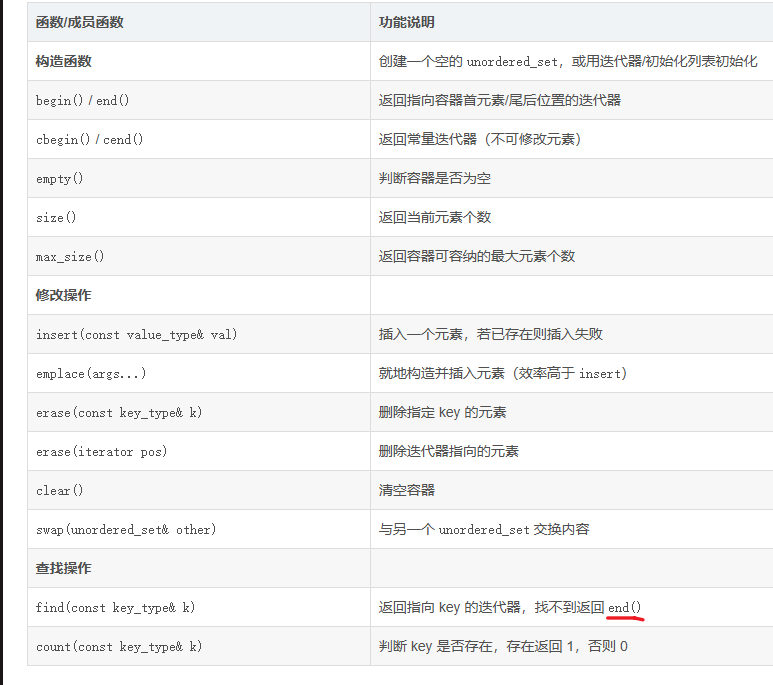
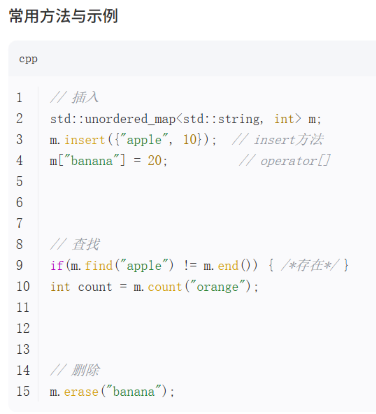
unordered用法
马拉车算法 模板 1 2 3 4 5 6 7 8 9 10 11 12 13 14 15 16 17 18 19 20 21 22 23 24 25 26 27 28 29 30 31 32 33 34 35 36 37 38 39 40 41 42 43 #include <bits/stdc++.h> using namespace std;#define IOS ios::sync_with_stdio(false),cin.tie(0),cout.tie(0); #define endl '\n' const int N=2.2e7 +5 ;int main () string s,ss="!#" ; int cnt=1 ; cin>>s; int len=s.size (); for (int i=0 ;i<len;i++) { ss+=s[i]; ss+='#' ; cnt+=2 ; } ss+='?' ; int r=1 ,c=1 ,ans=1 ,p[N]={}; for (int i=1 ;i<=cnt;i++) { if (i<r) { p[i]=min (p[2 *c-i],r-i); } else { p[i]=1 ; } while (ss[i-p[i]]==ss[i+p[i]]) { p[i]++; } if (i+p[i]>r) { r=i+p[i]; c=i; ans=max (ans,p[i]-1 ); } } cout<<ans; return 0 ; }
字符大小写转换 a->A
A->a
线段树 求和,单点更新 模板: 1 2 3 4 5 6 7 8 9 10 11 12 13 14 15 16 17 18 19 20 21 22 23 24 25 26 27 28 29 30 31 32 33 34 35 36 37 38 39 40 41 42 43 44 45 46 47 48 49 50 51 52 53 54 55 56 57 58 59 60 61 62 63 64 65 66 67 68 69 70 71 72 73 74 75 76 77 78 #include <bits/stdc++.h> using namespace std;#define IOS ios::sync_with_stdio(false),cin.tie(0),cout.tie(0); #define endl '\n' const int N=5e5 +5 ;int n,m,a[N],tr[4 *N];void build (int k,int l,int r) if (l==r) { tr[k]=a[l]; return ; } int mid=(l+r)/2 ; build (k*2 ,l,mid); build (k*2 +1 ,mid+1 ,r); tr[k]=tr[k*2 ]+tr[k*2 +1 ]; } int find (int k,int l,int r,int x,int y) if (x<=l&&r<=y) { return tr[k]; } int mid=(l+r)/2 ,cnt=0 ; if (x<=mid) { cnt+=find (k*2 ,l,mid,x,y); } if (y>mid) { cnt+=find (k*2 +1 ,mid+1 ,r,x,y); } return cnt; } void update (int k,int l,int r,int x,int y) if (l==r&&l==x) { a[x]+=y; tr[k]+=y; return ; } int mid=(l+r)/2 ; if (x<=mid) { update (k*2 ,l,mid,x,y); } else { update (k*2 +1 ,mid+1 ,r,x,y); } tr[k]=tr[k*2 ]+tr[k*2 +1 ]; } int main () IOS cin>>n>>m; for (int i=1 ;i<=n;i++) { cin>>a[i]; } build (1 ,1 ,n); while (m--) { int op,x,y; cin>>op>>x>>y; if (op==1 ) { update (1 ,1 ,n,x,y); } else if (op==2 ) { cout<<find (1 ,1 ,n,x,y)<<endl; } } return 0 ; }
详细注释版本 1 2 3 4 5 6 7 8 9 10 11 12 13 14 15 16 17 18 19 20 21 22 23 24 25 26 27 28 29 30 31 32 33 34 35 36 37 38 39 40 41 42 43 44 45 46 47 48 49 50 51 52 53 54 55 56 57 58 59 60 61 62 63 64 65 66 67 68 69 70 71 72 73 74 75 76 77 78 79 80 81 82 83 84 85 86 87 88 89 90 91 92 93 94 95 96 97 98 99 100 101 102 103 104 105 #include <bits/stdc++.h> using namespace std; #define IOS ios::sync_with_stdio(false),cin.tie(0),cout.tie(0); #define endl '\n' const int N = 5e5 + 5 ; int n, m; int a[N]; int tr[4 * N]; void build (int k, int l, int r) if (l == r) { tr[k] = a[l]; return ; } int mid = (l + r) / 2 ; build (k * 2 , l, mid); build (k * 2 + 1 , mid + 1 , r); tr[k] = tr[k * 2 ] + tr[k * 2 + 1 ]; } int find (int k, int l, int r, int x, int y) if (x <= l && r <= y) { return tr[k]; } int mid = (l + r) / 2 ; int cnt = 0 ; if (x <= mid) { cnt += find (k * 2 , l, mid, x, y); } if (y > mid) { cnt += find (k * 2 + 1 , mid + 1 , r, x, y); } return cnt; } void update (int k, int l, int r, int x, int y) if (l == r && l == x) { a[x] += y; tr[k] += y; return ; } int mid = (l + r) / 2 ; if (x <= mid) { update (k * 2 , l, mid, x, y); } else { update (k * 2 + 1 , mid + 1 , r, x, y); } tr[k] = tr[k * 2 ] + tr[k * 2 + 1 ]; } int main () IOS cin >> n >> m; for (int i = 1 ; i <= n; i++) { cin >> a[i]; } build (1 , 1 , n); while (m--) { int op, x, y; cin >> op >> x >> y; if (op == 1 ) { update (1 , 1 , n, x, y); } else if (op == 2 ) { cout << find (1 , 1 , n, x, y) << endl; } } return 0 ; }
重点变量说明补充:
tr[4*N]:线段树数组,使用4倍空间是为了保证完全二叉树存储时不越界。对于长度为n的数组,线段树最多有4n-1个节点。k*2 与 k*2+1:二叉树的左右儿子编号约定,根节点编号为1。mid = (l+r)/2:将当前区间均分为两半,左区间[l, mid],右区间[mid+1, r]。cnt 在查询中用于累加部分区间的和。a[x] += y 在更新时同步维护原数组,并非必须,但方便调试或其他用途。
求和,区间更新 模板: 1 2 3 4 5 6 7 8 9 10 11 12 13 14 15 16 17 18 19 20 21 22 23 24 25 26 27 28 29 30 31 32 33 34 35 36 37 38 39 40 41 42 43 44 45 46 47 48 49 50 51 52 53 54 55 56 57 58 59 60 61 62 63 64 65 66 67 68 69 70 71 72 73 74 75 76 77 78 79 80 81 82 83 84 85 86 87 88 89 90 91 92 93 94 95 96 #include <bits/stdc++.h> using namespace std;#define IOS ios::sync_with_stdio(false),cin.tie(0),cout.tie(0); #define endl '\n' const int N=1e5 +5 ;long long n,m,a[N],tr[4 *N],laz[4 *N];void pushdown (int k,int l,int r) if (laz[k]) { laz[k*2 ]+=laz[k]; laz[k*2 +1 ]+=laz[k]; int mid=(l+r)/2 ; tr[k*2 ]+=(mid-l+1 )*laz[k]; tr[k*2 +1 ]+=(r-mid)*laz[k]; laz[k]=0 ; } } void build (int k,int l,int r) if (l==r) { tr[k]=a[l]; return ; } int mid=(l+r)/2 ; build (k*2 ,l,mid); build (k*2 +1 ,mid+1 ,r); tr[k]=tr[k*2 ]+tr[k*2 +1 ]; } long long find (int k,int l,int r,int x,int y) if (x<=l&&r<=y) { return tr[k]; } pushdown (k,l,r); int mid=(l+r)/2 ; long long cnt=0 ; if (x<=mid) { cnt+=find (k*2 ,l,mid,x,y); } if (y>mid) { cnt+=find (k*2 +1 ,mid+1 ,r,x,y); } return cnt; } void update (int k,int l,int r,int x,int y,long long z) if (x<=l&&r<=y) { laz[k]+=z; tr[k]+=(r-l+1 )*z; return ; } pushdown (k,l,r); int mid=(l+r)/2 ; if (x<=mid) { update (k*2 ,l,mid,x,y,z); } if (y>mid) { update (k*2 +1 ,mid+1 ,r,x,y,z); } tr[k]=tr[k*2 ]+tr[k*2 +1 ]; } int main () IOS cin>>n>>m; for (int i=1 ;i<=n;i++) { cin>>a[i]; } build (1 ,1 ,n); while (m--) { int op; long long z,x,y; cin>>op; if (op==1 ) { cin>>x>>y>>z; update (1 ,1 ,n,x,y,z); } else if (op==2 ) { cin>>x>>y; cout<<find (1 ,1 ,n,x,y)<<endl; } } return 0 ; }
注释版 1 2 3 4 5 6 7 8 9 10 11 12 13 14 15 16 17 18 19 20 21 22 23 24 25 26 27 28 29 30 31 32 33 34 35 36 37 38 39 40 41 42 43 44 45 46 47 48 49 50 51 52 53 54 55 56 57 58 59 60 61 62 63 64 65 66 67 68 69 70 71 72 73 74 75 76 77 78 79 80 81 82 83 84 85 86 87 88 89 90 91 92 93 94 95 96 97 98 99 100 101 102 103 104 105 106 107 108 109 110 111 #include <bits/stdc++.h> using namespace std; #define IOS ios::sync_with_stdio(false),cin.tie(0),cout.tie(0); #define endl '\n' const int N = 1e5 + 5 ; long long n, m; long long a[N]; long long tr[4 * N]; long long laz[4 * N]; void pushdown (int k, int l, int r) if (laz[k]) { laz[k * 2 ] += laz[k]; laz[k * 2 + 1 ] += laz[k]; int mid = (l + r) / 2 ; tr[k * 2 ] += (mid - l + 1 ) * laz[k]; tr[k * 2 + 1 ] += (r - mid) * laz[k]; laz[k] = 0 ; } } void build (int k, int l, int r) if (l == r) { tr[k] = a[l]; return ; } int mid = (l + r) / 2 ; build (k * 2 , l, mid); build (k * 2 + 1 , mid + 1 , r); tr[k] = tr[k * 2 ] + tr[k * 2 + 1 ]; } long long find (int k, int l, int r, int x, int y) if (x <= l && r <= y) { return tr[k]; } pushdown (k, l, r); int mid = (l + r) / 2 ; long long cnt = 0 ; if (x <= mid) { cnt += find (k * 2 , l, mid, x, y); } if (y > mid) { cnt += find (k * 2 + 1 , mid + 1 , r, x, y); } return cnt; } void update (int k, int l, int r, int x, int y, long long z) if (x <= l && r <= y) { laz[k] += z; tr[k] += (r - l + 1 ) * z; return ; } pushdown (k, l, r); int mid = (l + r) / 2 ; if (x <= mid) { update (k * 2 , l, mid, x, y, z); } if (y > mid) { update (k * 2 + 1 , mid + 1 , r, x, y, z); } tr[k] = tr[k * 2 ] + tr[k * 2 + 1 ]; } int main () IOS cin >> n >> m; for (int i = 1 ; i <= n; i++) { cin >> a[i]; } build (1 , 1 , n); while (m--) { int op; long long z, x, y; cin >> op; if (op == 1 ) { cin >> x >> y >> z; update (1 , 1 , n, x, y, z); } else if (op == 2 ) { cin >> x >> y; cout << find (1 , 1 , n, x, y) << endl; } } return 0 ; }
树的公共祖先(LCA) 模板: 1 2 3 4 5 6 7 8 9 10 11 12 13 14 15 16 17 18 19 20 21 22 23 24 25 26 27 28 29 30 31 32 33 34 35 36 37 38 39 40 41 42 43 44 45 46 47 48 49 50 51 52 53 54 55 56 57 58 59 60 61 62 63 64 65 66 #include <bits/stdc++.h> using namespace std;#define IOS ios::sync_with_stdio(false),cin.tie(0),cout.tie(0); #define endl '\n' const int N=1e2 +5 ;int n,a,b,d[N],jump[N][20 ],root=1 ;vector<int > v[N]; void fs (int r,int pa) d[r]=d[pa]+1 ; jump[r][0 ]=pa; for (int i=1 ;i<=10 ;i++) { jump[r][i]=jump[jump[r][i-1 ]][i-1 ]; for (int i:v[r]) { if (i!=pa) { fs (i,r); } } } } int lca (int x,int y) if (d[x]<d[y]) { swap (x,y); } for (int i=10 ;i>=0 ;i--) { if (d[jump[x][i]]>=d[y]) { x=jump[x][i]; } } if (x==y) { return x; } for (int i=10 ;i>=0 ;i--) { if (jump[x][i]!=jump[y][i]) { x=jump[x][i]; y=jump[y][i]; } } return jump[x][0 ]; } int main () IOS cin>>n>>a>>b; for (int i=1 ;i<n;i++) { int x,y; cin>>x>>y; v[x].push_back (y); v[y].push_back (x); } d[0 ]=-1 ; fs (root,0 ); cout<<lca (a,b); return 0 ; }
判断 普通条件语句
三目
switch 1 2 3 4 5 6 7 8 9 cin>>x>>c>>y; switch (c){ case '+' :cout<<x+y;break ; case '-' :cout<<x-y;break ; case '*' :cout<<x*y;break ; case '/' :cout<<x/y;break ; default :cout<<"error" ; }
动态规划 描述 为了快速找到动态规划(DP)中的子问题和状态转移方程,可以按照以下步骤进行:
明确问题适用性 :确认问题是否具有最优子结构和重叠子问题,适合用DP解决。定义状态 :明确dp[i]代表什么,比如前i项的最优值。寻找状态转移关系 :思考如何从已解决的子问题(如dp[i-1])推导出当前问题(dp[i])。初始化条件 :确定dp的初始值,如dp[0]或dp[1]的值。填写状态转移方程 :根据分析,写出方程。验证 :通过小规模例子验证方程的正确性。
示例:最大子数组和
状态定义 :dp[i]表示以第i个元素结尾的最大子数组和。状态转移方程 :dp[i] = max(dp[i-1] + nums[i], nums[i])初始化 :dp[0] = nums[0]
示例:最长递增子序列
状态定义 :dp[i]表示以第i个元素结尾的最长递增子序列的长度。状态转移方程 :对于每个i,dp[i] = max(dp[j] + 1),其中j < i且nums[i] > nums[j]初始化 :dp[i] = 1对所有i有效。
01 题 描述
有 n 个物品,编号为 i 的物品的重量为 w [ i ] ,价值为 v [ i ] ,现在要从这些物品中选一些物品装到一个载重为 m 的背包中,使得背包内物体在总重量不超过 m 的前提下价值尽量大。
输入描述
第 1 行:两个整数 n (物品数量, n ≤ 3 5 0 0 )和 m (背包载重, m ≤ 1 2 8 8 0 )。 第 2…n+1 行,每行二个整数 w [ i ] , v [ i ] ,表示每个物品的重量和价值。
输出描述
仅一行,一个数,表示最大总价值。
样例输入 1 ****
样例输出 1 ****
23
提示
数据范围与提示
n ≤3500, m ≤12880,1< w [ i ], v [ i ]≤1000
模板 1 2 3 4 5 6 7 8 9 10 11 12 13 14 15 16 17 18 19 20 21 22 23 #include <iostream> using namespace std;int n,m,w[3505 ],v[3505 ],d[12885 ];int main () cin>>n>>m; for (int i=1 ;i<=n;i++) { cin>>w[i]>>v[i]; } for (int i=1 ;i<=n;i++) { for (int j=m;j>=w[i];j--) { if (d[j]<d[j-w[i]]+v[i]) { d[j]=d[j-w[i]]+v[i]; } } } cout<<d[m]; return 0 ; }
完全 题: 动态规划基础 DP(背包问题)
描述 设有 n 种物品,每种物品有一个重量及一个价值。但每种物品的数量是无限的,同时有一个背包,最大载重量为 M ,今从 n 种物品中选取若干件(同一种物品可以多次选取),使其重量的和小于等于 M ,而价值的和为最大。
输入描述 第一行:两个整数, M ( 背包载重, M ≤ 2 0 0 )和 N ( 物品数量, N ≤ 3 0 )。 第 2…N+1 行:每行二个整数 W __i , C __i ,表示每个物品的重量和价值。
输出描述 仅一行,”max=”一个数,表示最大总价值。
样例输入 1 ****
样例输出 1 ****
提示
数据范围与提示 M ≤200, N ≤30
模板 1 2 3 4 5 6 7 8 9 10 11 12 13 14 15 16 17 18 19 20 21 22 23 #include <iostream> using namespace std;int n,m,w[3505 ],v[3505 ],d[12885 ];int main () cin>>n>>m; for (int i=1 ;i<=n;i++) { cin>>w[i]>>v[i]; } for (int i=1 ;i<=n;i++) { for (int j=w[i];j>=m;j++) { if (d[j]<d[j-w[i]]+v[i]) { d[j]=d[j-w[i]]+v[i]; } } } cout<<d[m]; return 0 ; }
高精度 乘法 1 2 3 4 5 6 7 8 9 10 11 12 13 14 15 16 17 18 19 20 21 22 23 24 25 26 27 28 29 30 31 32 33 34 35 36 37 38 39 40 41 42 43 44 45 46 47 #include <bits/stdc++.h> using namespace std;#define IOS ios::sync_with_stdio(false),cin.tie(0),cout.tie(0); int main () char a[10001 ]={},b[10001 ]={}; int a1[10001 ]={},b1[10001 ]={},c[10001 ]={}; int i,j,k=0 ; cin>>a>>b; int lena=strlen (a); int lenb=strlen (b); if ((lena==1 &&a[0 ]=='0' )||(lenb==1 &&b[0 ]=='0' )) { cout<<0 ; return 0 ; } for (i=0 ;i<lena;i++) { a1[i]=a[lena-i-1 ]-48 ; } for (i=0 ;i<lenb;i++) { b1[i]=b[lenb-i-1 ]-48 ; } for (j=0 ;j<lenb;j++) { k=0 ; for (i=0 ;i<lena;i++) { c[i+j]=c[i+j]+a1[i]*b1[j]+k; k=c[i+j]/10 ; c[i+j]%=10 ; } c[j+lena]=k; } int len=lena+lenb+1 ; while (len>0 &&c[len]==0 ) { len--; } for (int i=len;i>=0 ;i--) { cout<<c[i]; } return 0 ; }
天津2026集训营 二分 1 2 lower_bound(x,y,z); upper_bound(x,y,z);
lower_bound(x, y, z) 和 upper_bound(x, y, z) 通常用于编程中,尤其是在 C++ 标准库中,用于对有序容器(如 vector、list 或 array)进行二分查找。它们的作用是分别找到第一个不小于或第一个大于目标值的元素的位置。下面详细解释它们的用法以及参数 x、y 和 z 的意义。
lower_bound(x, y, z) **lower_bound**** 用于在一个有序容器中查找第一个不小于目标值 **z**
参数说明
x : 迭代器,指向容器的起始位置(即容器的 **begin()** y : 迭代器,指向容器的结束位置(即容器的 **end()** z : 目标值,要查找的值。
返回值 **lower_bound**** 返回一个迭代器,指向容器中第一个不小于 **z****z****,则返回 ****y**(容器的结束位置)。
示例 **假设我们有一个有序的 ****vector**:
1 2 3 4 5 6 7 8 9 10 11 12 13 14 15 #include <vector> #include <algorithm> #include <iostream> int main () std::vector<int > vec = {1 , 3 , 5 , 7 , 9 }; int target = 5 ; auto it = std::lower_bound (vec.begin (), vec.end (), target); if (it != vec.end ()) { std::cout << "第一个不小于 " << target << " 的元素是 " << *it << std::endl; } else { std::cout << target << " 大于所有元素。" << std::endl; } return 0 ; }
输出:
upper_bound(x, y, z) **upper_bound**** 用于在一个有序容器中查找第一个大于目标值 **z**
参数说明
x : 迭代器,指向容器的起始位置(即容器的 **begin()** y : 迭代器,指向容器的结束位置(即容器的 **end()** z : 目标值,要查找的值。
返回值 **upper_bound**** 返回一个迭代器,指向容器中第一个大于 **z****z****,则返回 ****y**(容器的结束位置)。
示例 **假设我们有一个有序的 ****vector**:
1 2 3 4 5 6 7 8 9 10 11 12 13 14 15 #include <vector> #include <algorithm> #include <iostream> int main () std::vector<int > vec = {1 , 3 , 5 , 7 , 9 }; int target = 5 ; auto it = std::upper_bound (vec.begin (), vec.end (), target); if (it != vec.end ()) { std::cout << "第一个大于 " << target << " 的元素是 " << *it << std::endl; } else { std::cout << target << " 大于等于所有元素。" << std::endl; } return 0 ; }
输出:
注意事项
容器必须有序****: **lower_bound**** 和 **upper_bound**时间复杂度****:这两个函数的时间复杂度是 O(log n),因为它们使用二分查找算法。 返回值范围****:返回值总是在 **[x, y)**
总结
**lower_bound(x, y, z)**:查找第一个不小于 **z** **upper_bound(x, y, z)**:查找第一个大于 **z** **x**** 和 **y****z**** 是目标值。这两个函数在处理有序数据时非常有用,可以高效地进行查找和范围定位
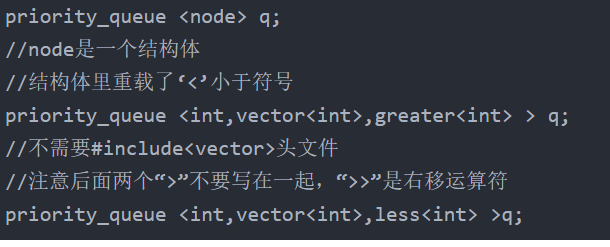
优先队列 优先队列是一种数据结构,其中每个元素都有一个优先级,元素的出队顺序不是按照先进先出,而是按照优先级的高低。优先级高的元素先出队。以下是优先队列的详细概念和实现方法的总结:
概念
定义 :优先队列是一种数据结构,其中每个元素都有一个优先级,元素的出队顺序不是按照先进先出,而是按照优先级的高低。优先级高的元素先出队。特点 :
插入元素:插入操作根据元素的优先级来确定其在队列中的位置。
删除元素:删除操作总是移除优先级最高的元素。
应用场景 :
任务调度:操作系统中的任务调度,优先级高的任务先执行。
图的遍历算法:如Dijkstra算法,选择下一个最近的节点。
实时系统:处理紧急事件。
实现方法 1. 数组实现
原理 :使用数组存储元素,每个元素都有一个优先级。插入时根据优先级找到合适的位置。优缺点 :
优点:实现简单。
缺点:插入操作的时间复杂度为O(n),效率低下,尤其是当队列较大时。
2. 堆实现
堆结构 :
堆是一种树形结构,分为最大堆和最小堆。
最大堆:根节点是最大的元素。
最小堆:根节点是最小的元素。
操作 :
插入:将元素放在堆的末尾,然后进行上滤操作,确保堆的性质。
删除:删除根节点,将最后一个元素放在根节点,然后进行下滤操作,确保堆的性质。
时间复杂度 :插入和删除的时间复杂度均为O(log n),高效。数组模拟树 :父节点i的左子节点为2i+1,右子节点为2i+2,根节点为0。
基本语法 1 2 3 4 5 q.size (); q.empty (); q.push (x); q.pop (); q.top ();
实现 1 2 3 4 5 6 7 8 9 10 11 12 13 14 #include <iostream> #include <queue> using namespace std;int main () priority_queue<int > pq; pq.push (10 ); pq.push (30 ); pq.push (20 ); while (!pq.empty ()) { cout << pq.top () << " " ; pq.pop (); } return 0 ; }
函数_builtin_popcount(s)
返回s的二进制中有多少个1
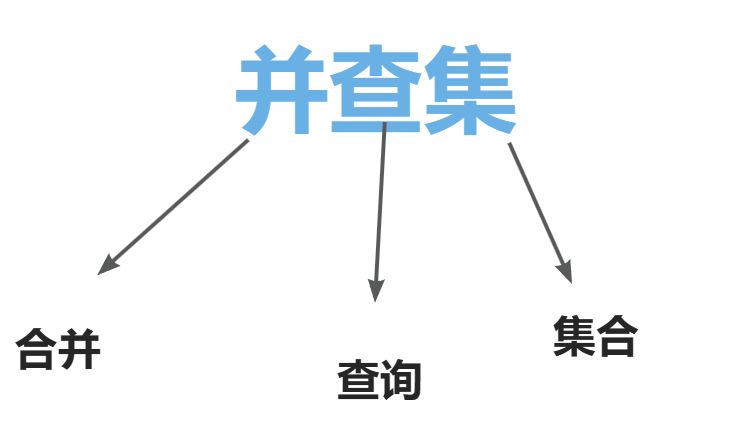
并查集&树
原理:把一个集合里的元素组织成一个有根树
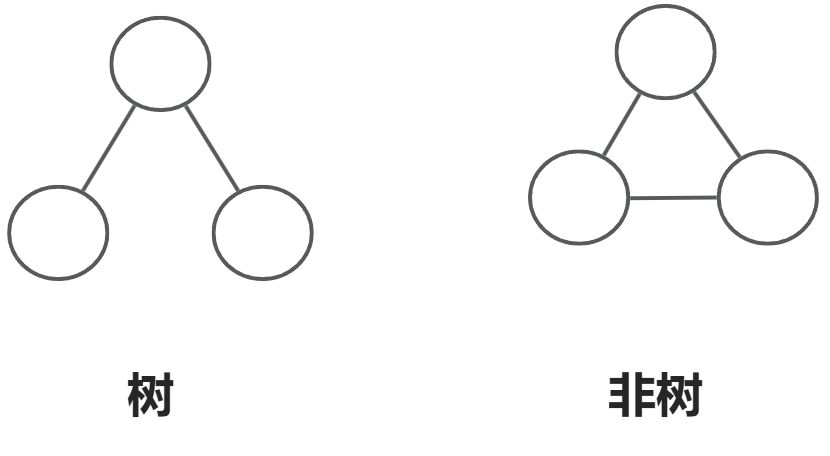
树 :一类_特殊的图 _:**联通,无环的无向图 **
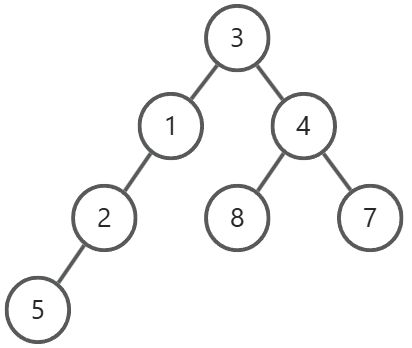
有根树
指定树里 一点作为根 ,就得到 有根树
指定3为根:
并查集模板 1 2 3 4 5 6 7 8 9 10 11 12 13 14 15 16 17 18 19 20 21 22 23 24 25 26 27 28 29 30 31 32 33 34 35 36 37 38 39 40 41 42 43 44 45 46 47 48 49 #include <bits/stdc++.h> using namespace std;#define IOS ios::sync_with_stdio(false),cin.tie(0),cout.tie(0); #define endl '\n' #define int long long const int N=1e5 +5 ;int n,m,cnt=0 ;struct dsu { int p[N]; dsu (int n) { for (int i=-1 ;i<=n;i++) { p[i]=-1 ; } } int leader (int x) { return p[x]<0 ?x:p[x]=leader (p[x]); } int merge (int x,int y) { int rx=leader (x); int ry=leader (y); if (rx==ry) { return rx; } if (p[rx]<p[ry]) { swap (rx, ry); } p[ry]+=p[rx]; p[rx]=ry; return ry; } int size (int x) { return -p[leader (x)]; } }; signed main () IOS cin>>n; return 0 ; }
1 2 3 4 5 6 7 8 9 10 11 12 13 14 15 16 17 18 19 20 21 22 23 24 25 26 27 struct dsu { vector<int > p; dsu (int n) : p (n, -1 ) {} int leader (int x) return p[x] < 0 ? x : p[x] = leader (p[x]); } int merge (int x, int y) int rx = leader (x); int ry = leader (y); if (rx == ry) return rx; if (p[rx] < p[ry]) swap (rx, ry); p[ry] += p[rx]; p[rx] = ry; return ry; } int size (int x) return -p[leader (x)]; } };